Long before anyone lined up for Black Friday deals or waited on Cyber Monday delivery trucks, families across Southwest Virginia marked Thanksgiving week with a very different ritual — hog killing. In the days when freezers didn’t hum in every kitchen and store-bought meat wasn’t a given, this was the week when communities worked together to turn the year’s hard-earned livestock into winter food.
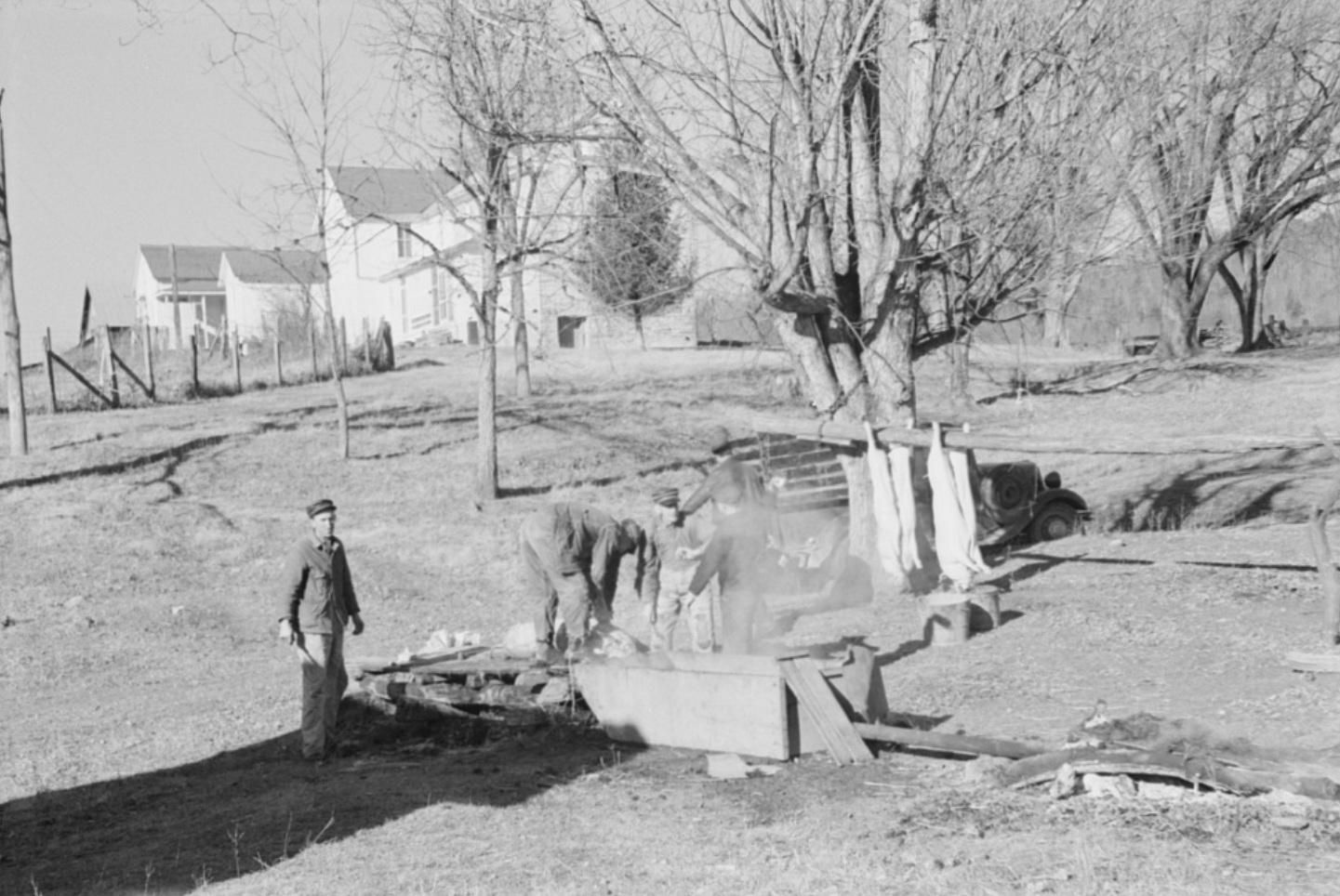
Ask anyone who grew up in the hills and hollers, and they’ll tell you the same thing: you didn’t need a calendar to know it was hog-killing time. You could feel it in the first honest cold snap of November, the kind that chilled the air just enough to keep the meat from spoiling. Once the weather snapped right, families gathered before sunrise with knives sharpened, wash pots ready, and sausage grinders waiting on the porch.
It wasn’t just a chore. It was an all-hands-on-deck event that pulled neighbors together. Men handled the heavy work, women seasoned the sausage, and kids ran back and forth carrying salt, pans, and whatever else was needed. Everyone had a job, and nobody complained — because everyone understood what those long hours meant. A good hog killing was the difference between full shelves and lean times when January winds came down from the mountain.
The day always moved in a rhythm: the early-morning butchering, the scraping and cleaning, the long boil of the lard, the careful curing of hams and shoulders. By late afternoon, smokehouses began filling with the scent of fresh-cut meat and woodsmoke — a smell that still lives somewhere deep in the memory of anyone raised here.
And the best part? The food that came from it. Sausage patties that tasted better than anything in a grocery store. Cracklins pulled fresh from the pot. Bacon you had to slice yourself because it came straight from the smokehouse. Nothing was wasted — everything had a purpose, right down to the soap made from leftover lard.
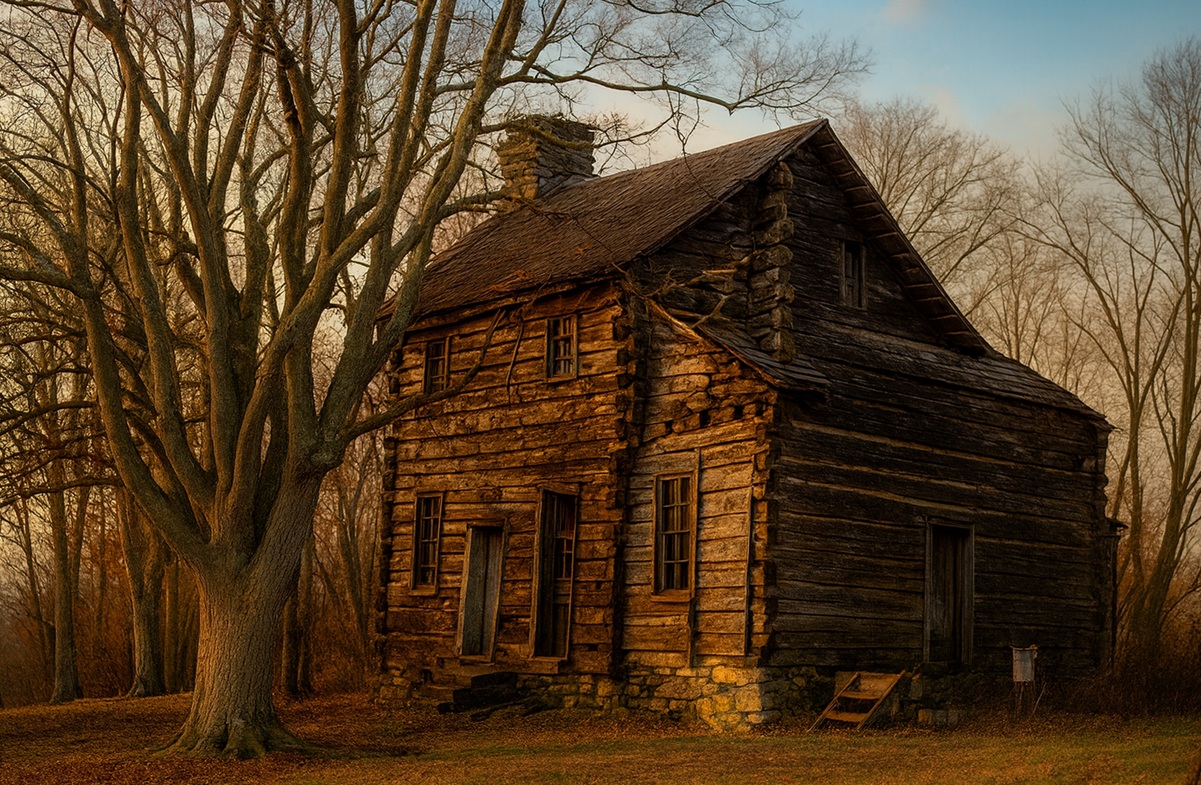
Today, most folks don’t kill their own hogs anymore, and smokehouses have mostly turned into garden sheds or tool rooms. But around Thanksgiving, the stories come back. Someone will mention helping their granddad scrape a hog on a frosty morning, or a neighbor will talk about a time when three families gathered to fill a winter’s worth of salt barrels in one long day.
It’s a reminder that Thanksgiving in Appalachia wasn’t always about football games and shopping catalogs. It was about preparation, community, and the kind of work that brought people together. Hog-killing week wasn’t glamorous, but it was honest — and it fed families in more ways than one.
And in its own rough-cut, down-to-earth way, that old tradition still fits the season: gathering with the people you love, working side by side, and giving thanks for the blessings that get you through another winter in the mountains west of Roanoke.
Share this article with your friends on Facebook!
Sign up for weekly email updates (We won’t SPAM you!).